The term “water damage ceiling“ refers to a ceiling that has been damage by water. It can happen because of roof or pipe leaks, condensation, flooding, or too much humidity, among other things. The water can get into the material of the ceiling and cause it to change color, get stains, sag, or even fall in the worst cases.
Fixing a water-damaged ceiling immediately and professionally is crucial. It may not appear lousy today, but abandoning it may lead to costly repairs, musty aromas, unattractive stains, mold development, and crumbling timbers.
First, remedy a ceiling leak immediately, not simply for aesthetics. Professionals best repair water-damaged ceilings. Little fixes are usually manageable.
How to Fix Water Damage on Ceiling
To repair a water-damaged ceiling, determine what caused the problem first. Roof leaks can significantly damage your home, but you may not notice it until a big plumbing emergency, like a busted pipe. It will be possible to repair the ceiling once the cause of the leak has been found and addressed successfully.
You should seriously consider replacing a section of your ceiling’s drywall when it is damaged or otherwise compromised in any manner. You will only be able to achieve the goal if you have any information about the steps involved in installing and restoring drywall ceilings.
Identify the location of leakage:
To begin the work, first find out the area and extent of damage and how much work is required to repair the damage. Also, take precautions to prevent further damage. Anything from a child’s overly exuberant bathing session to a major plumbing problem like a busted pipe could have caused the leak. These two scenarios are both conceivable.
Call a Professional:
You should not attempt to repair water damage on your ceiling alone. Getting in touch with an expert inwater damage restorationis crucial. They’ll be able to evaluate the situation and suggest the next steps.
Dry Out the Area:
Do not begin repairs until the affected area is dry. Ignoring the signs can lead to mold development, and additional damage could occur. Renting high-powered fans and dehumidifiers is the quickest solution (using standard household fans would work, but it could take days or weeks). Within a day, with the proper tools, the ceiling should be dry. Don’t rely on feel; use a moisture meter to ensure.
Repair the Damage:
You may need to install a new roof, drywall and plaster will need to be replaced, or the entire ceiling will need to be painted.
Causes Of Water Damage On Ceiling
Several potential sources of water might damage on ceiling.
A leaking roof:
If the roof leaks, water could pool on the ceiling and cause damage.
Plumbing problems:
Since pipes often run along or through the ceiling, leaks could cause significant damage.
Condensation:
When warm, moist air touches a cold surface, condensation results. If this happens in the ceiling, water damage may occur.
Gutters overflowing:
If the drains are broken or clogged, water might overflow and pour into the residence through the ceiling.
Floods:
Water damage on ceilingis possible if you live in an area prone to flooding and experience heavy rains or other weather occurrences.
A/C not working:
Problems with your HVAC system can increase humidity levels, harming your ceiling over time.
Insufficient insulation:
If the ceiling is not properly insulated, cold air can seep in, and warm air can escape, leading to condensation and potential water damage.
Mold and other types of damage might build on your ceiling from water damage if you don’t fix it.
Signs of Water Damage on Ceiling
Water damage on your ceiling can be a severe issue that requires immediate attention. Your roof becomes weaker, discolored and sometimes even collapses due to water intrusion. Suppose ceiling water damage is not fixed; it might lead to structural problems, bacterial growth and even health problems.
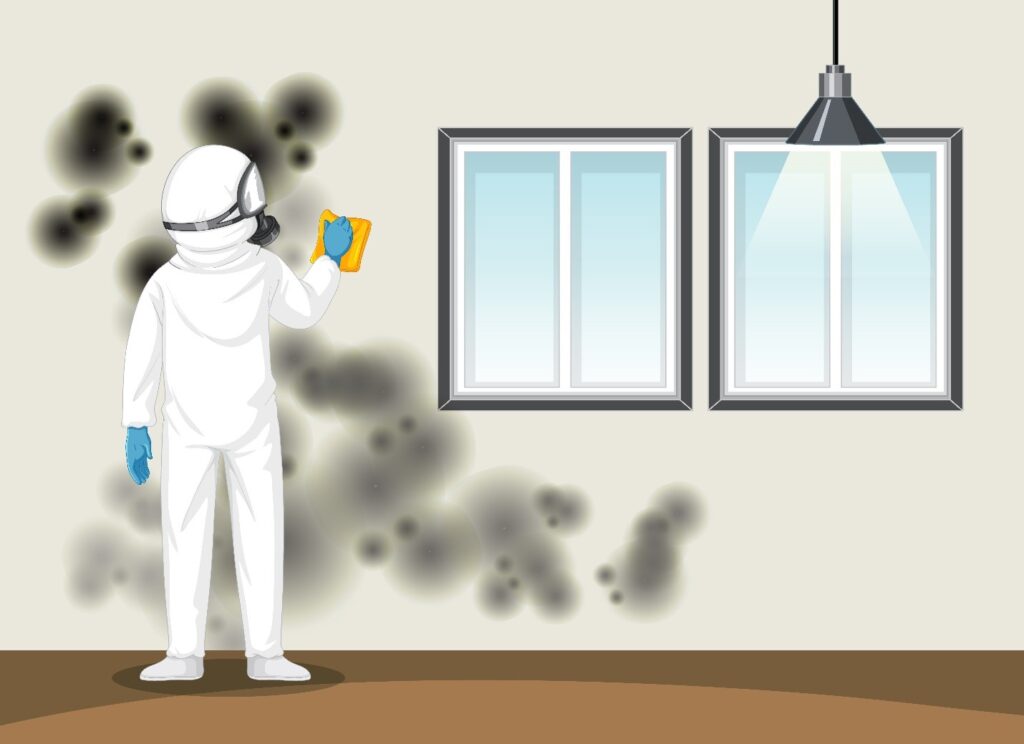
Knowing the signs of water damage on ceiling is essential. Your roof may have experienced water damage, which can be determined by looking for mold, mildew, or a musty odor. Prompt action is necessary to stop further damage if these warning indications manifest.
A color change is the most obvious indicator of ceiling water damage. Water damage can cause discoloration, usually appearing darker or with a noticeable yellow or brown stain. Water damage from leaks or condensation is the leading cause of drywall and plaster failure.
Sagging or swelling ceilings is indeed a clear indication of water damage. The water damage has made the ceiling fragile and may have collapsed in multiple places. It’s a big deal that needs fixing right away.
If water gets behind the wall, it could cause the paint to peel or bubble. It indicates that the water has been sitting for some time, causing damage to the ceiling.
Ceilings that smell musty or moldy are usually the result of water damage. Water damage and the subsequent growth of mold could occur if this is not corrected.