



aVAIL dISCOUNTS
Email Address
Furnaces
Boilers
Heat Pump
Water Heater
Heating Installation
Heating Maintenance
Heating Repair
Purification
Air Filtration
Duct Cleaning
Humidifiers / Dehumidifiers
UV Lights
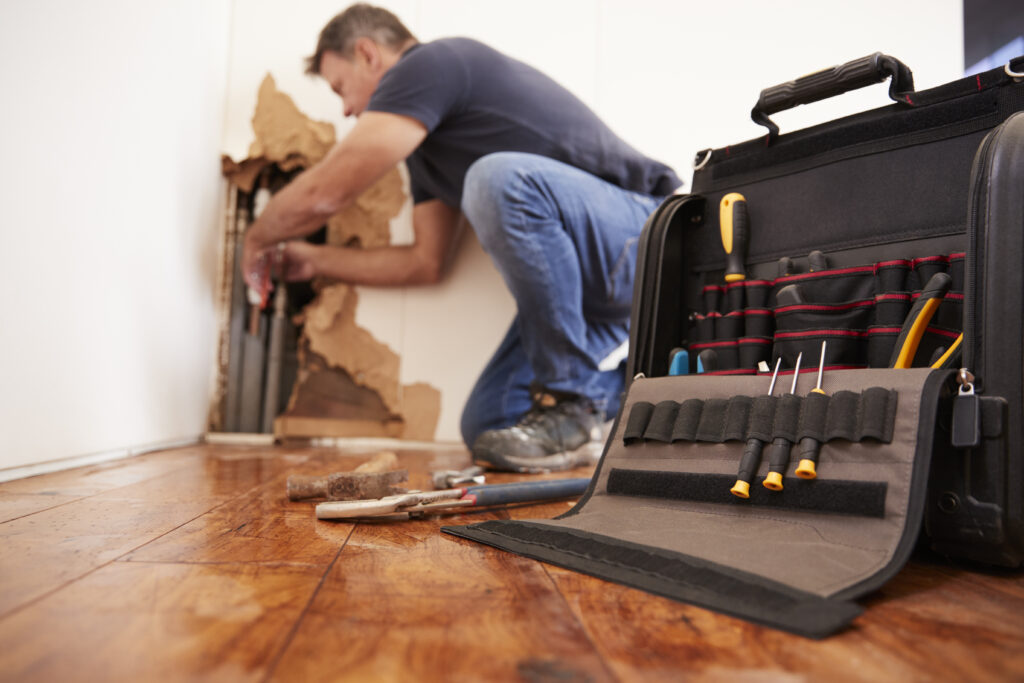
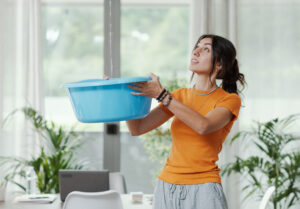
Many households face water damage—several different things, including broken pipes, natural calamities, or a leaking roof. Ignoring the signs of water damage on ceiling can lead to expensive repairs and health risks like mold. Because of this, restoring your home to its condition before the water damage is critical.
Water damage repair and restoration involve several steps. It includes determining the extent of the destruction, clearing away any standing water, drying out the affected area, sanitizing it, and removing any lingering odors before beginning repairs. Each stage calls for its unique set of skills and tools to ensure a successful water damage restoration.
Let’s assume that the harm is significant or that you are unsure of its severity. Contacting a reputable water damage restoration service in that situation is essential.
With any water damage restoration process, safety must come first. Before doing any repairs, you must make sure you are safe. Water damage can lead to several issues. Safety precautions must be taken to protect you and others when dealing with water damage.
Here are some tips for being secure when repairing water damage:
While you repair structures following water damage, remember that safety comes first.
Determining the severity of the damage is the first step in water damage repair. The first step in mending the damaged area is determining the extent of the damage. It can foresee how much exertion, time, and assets will be required to wrap up a venture.
Establishing a precise estimate of the degree of the damage is the first stage in water damage repair. By adhering to these guidelines, you can evaluate the situation logically and come to wise conclusions.
Standing water must be drained before any other repairs can be made to water damage. The growth of mold and germs in stagnant water can be just as dangerous as the structural harm it can do to your home. Removing any pools of water that may have formed promptly is crucial.
Remember that removing standing water is only the beginning of repairing water damage. Dry out the area after removing the water to prevent further damage.
Repairing and restoring areas damaged by water requires thoroughly drying the affected area. Mold and mildew thrive in damp environments, posing health risks and compromising the integrity of your home’s structure. Drying off the afflicted area as soon as possible is crucial to avoid further destruction; using a wet/dry vacuum or a pump to remove standing water. The more damage water can do, the longer it sits.
Essential steps in fixing water damage include disinfecting and deodorizing. Bacteria and pathogens usually grow on wet surfaces. It harms the health of a person. Keep the area clean by deodorizing and removing the water because bacterial and mold growth injures health.
If the carpets and insulation are beyond repair, it may be necessary to start fresh.
Although water damage repair can be complex, restoring your home to its pre-loss condition is possible with the right strategy. First and first, ensure everyone’s safety, document the damage, consult an expert if necessary, and make any necessary repairs. If you follow these steps, you can quickly restore your home and life after water damage.
Don’t let flooding ruin your day. Learn more about the tips for effective repair and restoration.
[contact-form-7 id=”3991″ title=”Coupon Popup Form”]